
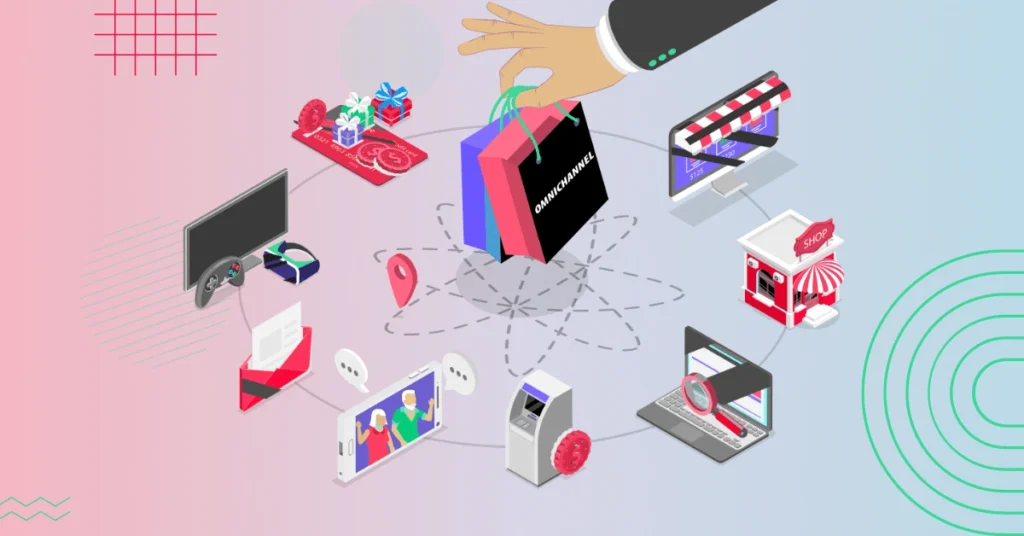
Customers have a variety of options for communicating with businesses in the modern digital age. Customers expect to be able to contact businesses through a variety of channels, including social media, email, and phone calls.
What is Omnichannel in the World of Call Centers?
In a call center, the term “omnichannel” describes the utilization of several channels to offer a seamless customer experience. An omnichannel call center enables clients to communicate with a business using a variety of channels, such as email, social media, web chat, and messaging apps, as opposed to requiring them to do so through a single channel, such as a phone call.
No matter which channels a consumer chooses to use to contact a company, an omnichannel call center aims to give them a uniform experience. Customers can thus start a conversation through one channel, like social media, and carry it on naturally through another, like a phone call, without having to repeat themselves or start the contact fresh.
How Does Omnichannel Customer Support Work?
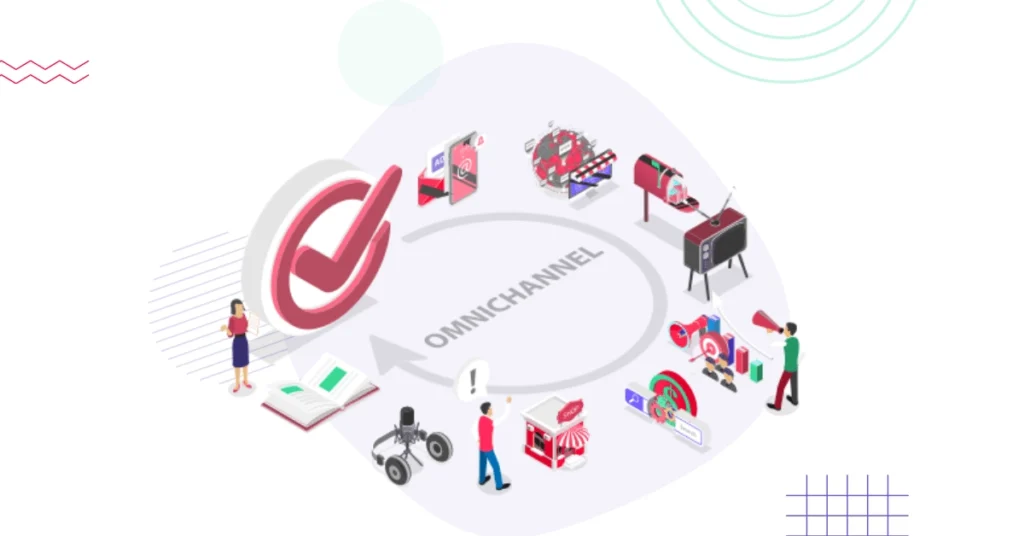
Many companies are using omnichannel customer service techniques to meet their demands. However an omnichannel call center needs to have the appropriate technology and procedures in place in order to accomplish this level of integration. This often entails fusing many lines of communication into a solitary platform, such a customer relationship management (CRM) system, which enables agents to coordinate customer interactions across various channels.
Businesses can improve customer satisfaction and retention, while also increasing operational efficiency, by giving customers a consistent experience across all channels.
Here are some key features of an omnichannel approach:
- Integration: An omnichannel strategy involves integrating multiple channels into a single platform. This allows businesses to manage all customer interactions in a centralized location, regardless of the channel used by the customer.
- Consistency: An omnichannel approach provides a consistent experience across all channels. This means that customers can expect the same level of service and support, regardless of how they choose to interact with the business.
- Personalization: By collecting data from all customer interactions, businesses can provide a more personalized experience. This allows businesses to tailor their service and support to the specific needs and preferences of each customer.
- Flexibility: An omnichannel approach allows customers to choose the channel that works best for them. This flexibility helps to improve customer satisfaction and reduces the likelihood of customers becoming frustrated or abandoning their interactions.
- Analytics: Businesses can learn a lot about how customers act and what they like by gathering data from all channels. This information can be used to improve business strategy, optimize customer service experience, and increase retention.
- Multi-device compatibility: An omnichannel strategy should be compatible with multiple devices, including desktop computers, laptops, smartphones, and tablets. This means that customers can engage with the business through their preferred device, regardless of the channel used.
- Real-time communication: An omnichannel approach enables businesses to provide real-time communication across all channels. This means that customers can receive immediate assistance and support, which helps to improve customer satisfaction and loyalty. For example, businesses can use tools like AI Phone Calls to say hello to customers with personalized, automated voice greetings, ensuring prompt and friendly initial contact across communication channels.
Overall, Omnichannel support lets businesses connect with customers in a way that is flexible, personalized, and efficient. By combining different channels into a single platform, making sure that customers have the same experience on all channels, and using data and analytics to improve the customer experience, businesses can make customers happier and more loyal, which will lead to more sales and growth.
The Difference Between Omnichannel and Multichannel Customer Service
One of the biggest debates in this space is whether to adopt a multichannel or omnichannel approach to customer service. While both strategies have their benefits, there are some key differences that companies should be aware of when deciding which one to pursue.
What is Multichannel Customer Support?
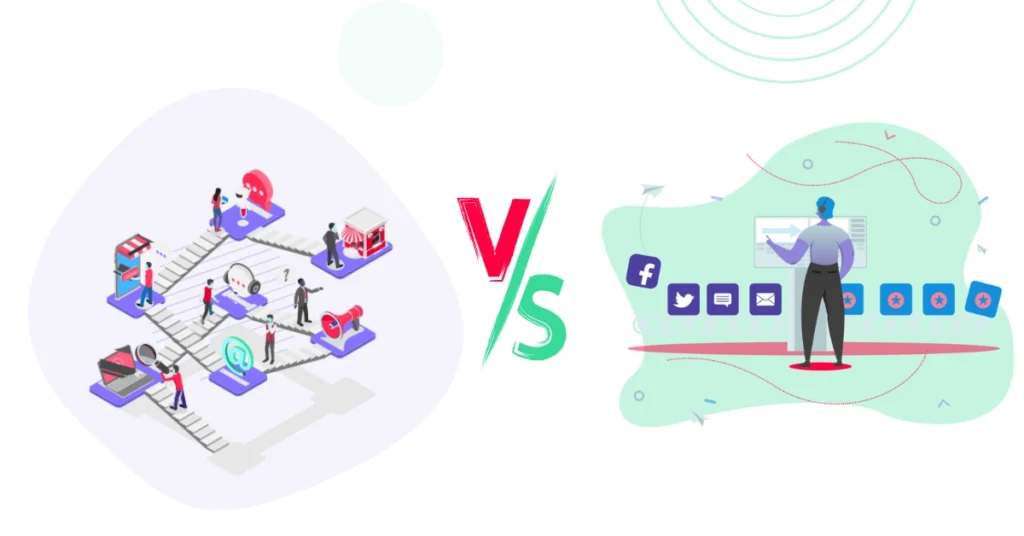
At its core, multichannel customer service refers to a company’s use of multiple communication channels to interact with customers. The goal of multichannel customer service is to provide customers with more options for reaching out to a company and getting the help they need. While this can be beneficial for customers, it can also create silos between channels, leading to disjointed and inconsistent experiences.
What is Omnichannel Support?
In contrast, omnichannel customer service seeks to integrate all of these channels into a seamless and cohesive experience. Rather than treating each channel as a separate entity, omnichannel communication seeks to create a unified platform that allows customers to access the same information and receive the same level of service regardless of which channel they use. This requires a higher level of coordination and technology integration, but can ultimately lead to more satisfied customers and greater efficiency for the company.
One of the key differences between multichannel and omnichannel approaches is the level of integration between channels. In a multichannel approach, each channel is typically managed separately, with different teams and technologies in place for each one. This can lead to data silos and a lack of coordination between teams, which can ultimately harm the customer experience. In contrast, an omnichannel approach seeks to create a more holistic view of each customer by integrating multiple channels into a single platform. This allows for more efficient and personalized service, as well as a better understanding of each customer’s needs and preferences.
Although omnichannel and multichannel strategies both have advantages, more businesses are gravitating toward the latter to offer a more seamless and customized client experience. Companies may build a more complete picture of each customer and offer more timely and relevant service by combining many channels into a single platform and using consumer data to customize interactions.
Signs Your Business Needs an Omnichannel Support Strategy
Are you unsure whether your business needs omnichannel customer support? Let’s explore some common issues that signal that this might be the right solution for you.
Declining Customer Satisfaction Scores
Customers expect fast, personalized service across every channel, but satisfaction depends on more than just speed. If your current setup struggles to provide consistent and helpful support in a timely manner, and therefore isn’t meeting these higher expectations, your scores will show it.
Scattered or Siloed Customer Information
It’s hard to give personalized support and see the whole customer journey across all touchpoints if your customer information is spread out across different systems, such as CRMs, help desks, chat platforms, and email tools. An omnichannel call center unifies these touchpoints and integrates existing tools, giving agents a centralized view of interactions across channels and enabling a smoother, consistent service.
Difficulties Tracking Customer History
A clear sign that you need a unified system that can make managing customer information easier is if you’re having trouble keeping track of their customer preferences, purchase history, or past interactions.
Losing Clients to Competitors
Customers will look for alternative services if they’re not satisfied or there are unresolved issues. A smooth omnichannel experience helps to ensure they are always able to reach you on their preferred channel, don’t have to repeat themselves every time they switch to another, and consistently receive the same quality of service. These are all factors that contribute to keeping customers from leaving.
Agents Overwhelmed by Juggling Channels
Are your support agents struggling to manage separate inboxes and platforms for phone, email, social media, and live chat? It can quickly become overwhelming to manage these interactions effectively, leading to issues like burnout and lower performance, and a new system is likely needed.
7 Benefits of Omnichannel Customer Service for your Call Center
Improved Customer Satisfaction
By providing clients with a variety of ways to contact your company, such as phone, email, chat, or SMS, you not only let them choose the channel they’re most comfortable with, but also help your team respond more quickly and effectively. This flexibility leads to a smoother, more personalized experience, higher first-contact resolution rates, and ultimately stronger customer satisfaction scores.
Increased Customer Retention
Customers are more likely to stick with your brand if they are happy with their encounters with your company, such as when they receive smooth, consistent, and convenient interactions. Omnichannel support helps strengthen long-term retention by preventing frustration, speeding up issue resolution, creating a more personalized experience, and reducing repeat contacts.
Greater Efficiency
Companies can streamline their communication operations by using a successful omnichannel strategy and the right service solutions. By combining different channels into a single platform to handle client interactions, teams can reduce duplicate work, improve response times, maintain context across interactions, and more easily monitor performance and compliance. This not only saves time but also makes day-to-day operations more efficient and consistent.
Improved Brand Trust
You can increase consumer confidence in your brand by ensuring clients receive consistent and accurate information across all channels. Providing a seamless experience in this way prevents contradictory messages and enhances the overall customer experience.
Enhanced Data Collection
When you provide omnichannel customer service, you can gather richer and more complete customer profiles by tracking preferences and behavior across multiple channels. This deeper insight gives your teams the context they need to personalize interactions and resolve issues more effectively.
Increased Revenue
By improving customer satisfaction and retention, you can ultimately increase revenue for your business. Satisfied customers are more likely to make repeat purchases and recommend your business to others.
Competitive Advantage
Companies who offer omnichannel customer service have a considerable advantage in today’s congested market. You can stand out from the competition and draw in more consumers by exceeding customer expectations and providing an amazing customer experience.
Benefits of an Omnichannel Support System for Your Customers
More Convenience and Choice
Customers can reach your business through the channel that works best for them at that moment, whether it’s a quick text, a long email, or a direct phone call. This makes for a smooth experience.
Faster Resolutions
Agents can quickly figure out complicated problems and come up with solutions when they have full access to a customer’s history. This stops the dreaded runaround and the annoyance of starting over with each new interaction, which vastly speeds up response times.
Simplified Experience
Without repeating themselves, customers can initiate a live chat conversation, follow up with an email, and end with a phone call. The context travels with them, resulting in a seamless, continuous conversation that improves customer engagement.
Proactive Support
With access to unified customer data, support teams can anticipate issues before they escalate. This allows businesses to offer timely guidance, reminders, or solutions that prevent problems and improve overall satisfaction.
Personalization
When customer service agents know a customer’s purchase history, past questions, and preferences, they can give them tailored help that feels more personal than just a transaction. Customers feel understood and valued, not like just another ticket number.
The Bottom Line
In conclusion, organizations aiming to improve customer loyalty and satisfaction, retention, and income can take advantage of a number of advantages provided by omnichannel customer service techniques. Businesses can improve experiences by streamlining communication procedures, collecting useful data to understand customer needs, and combining numerous channels into a single platform. Furthermore, by using the omnichannel experience businesses can communicate in the way that suits them best, which makes it easier for them to get the help they need.
About the Author

Desislava Vasileva


Desislava Vasileva is Squaretalk’s Marketing Director. Dessy has 10+ years of experience in Austria, Italy, Germany, Denmark and Bulgaria. She is passionate about effective communication, process optimization and delivering exceptional results.